Out of stock
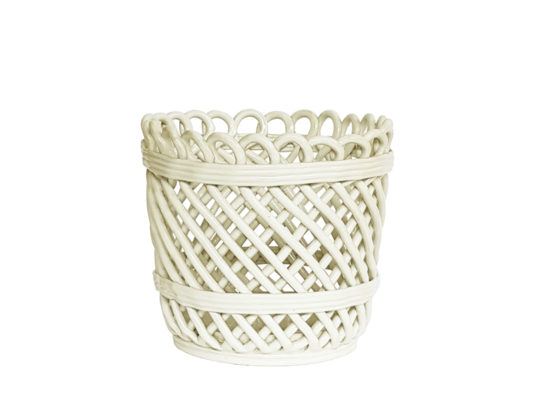
Out of stock
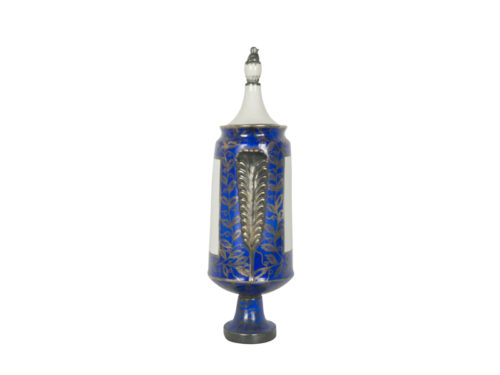
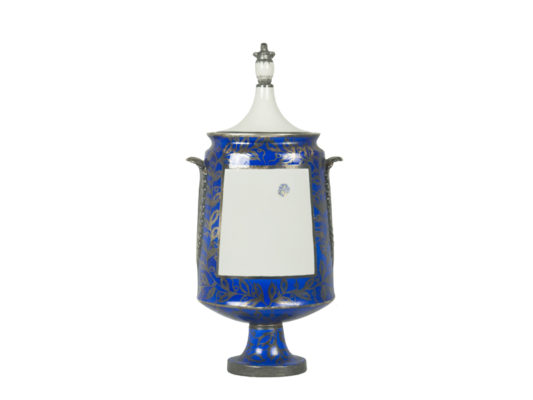
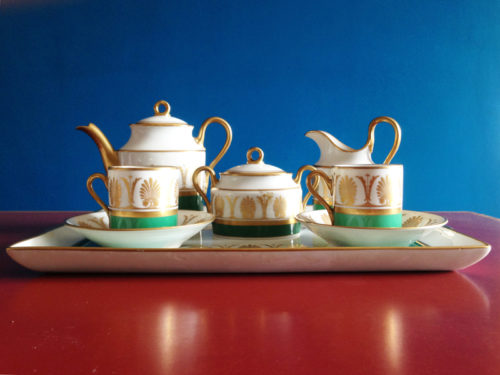
Out of stock
Out of stock
Out of stock

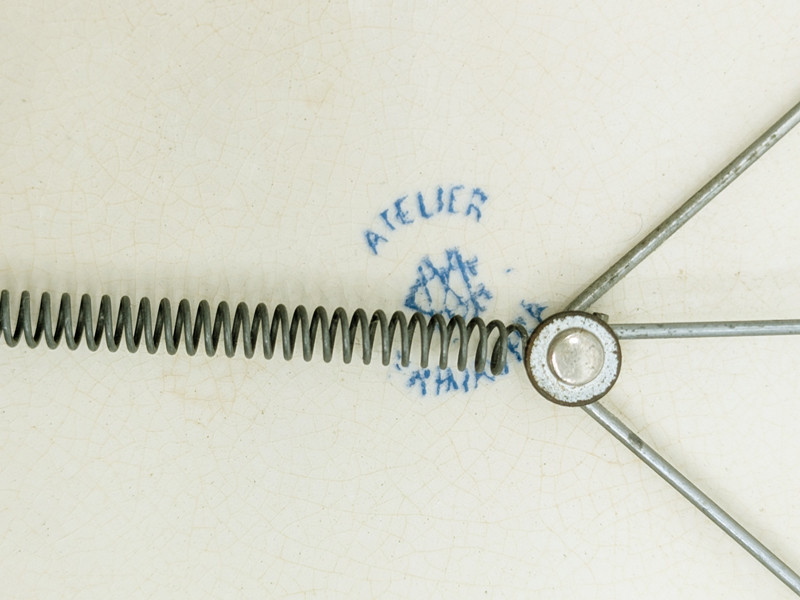
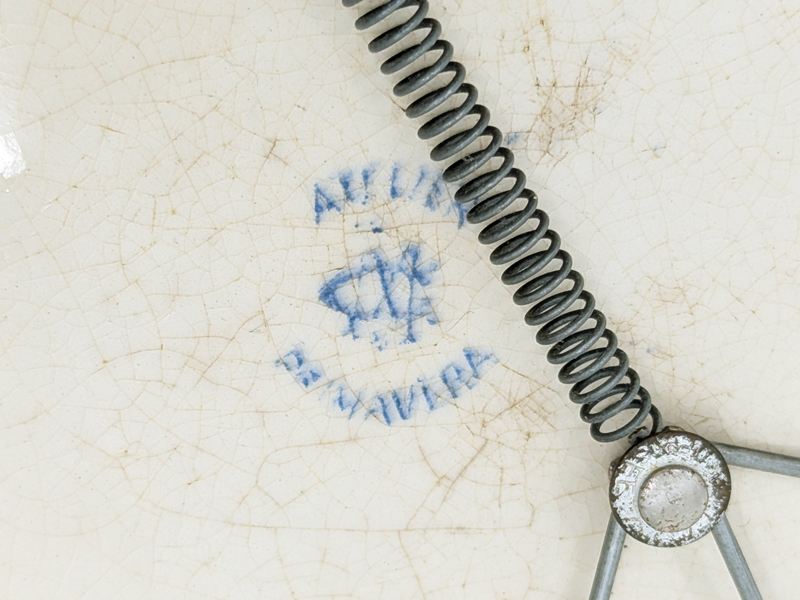
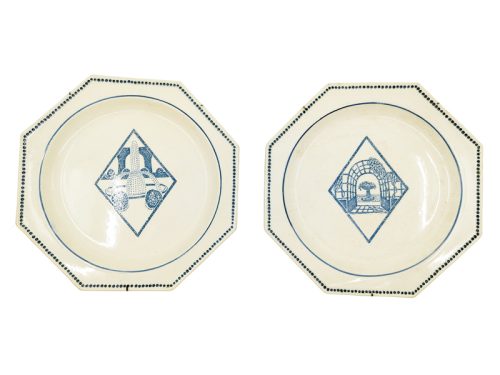
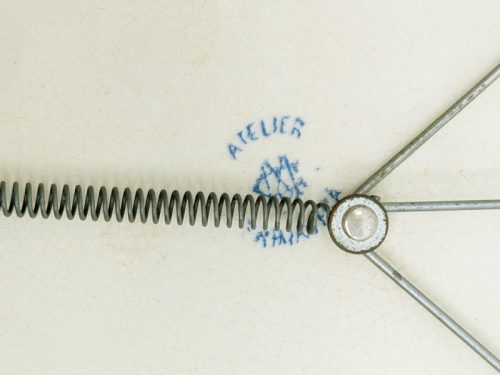
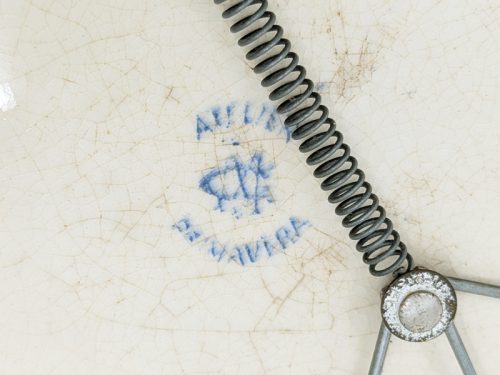
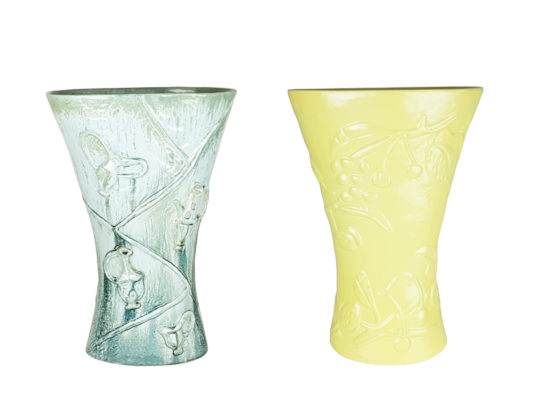
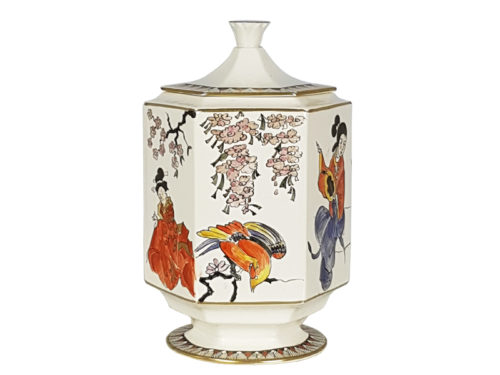
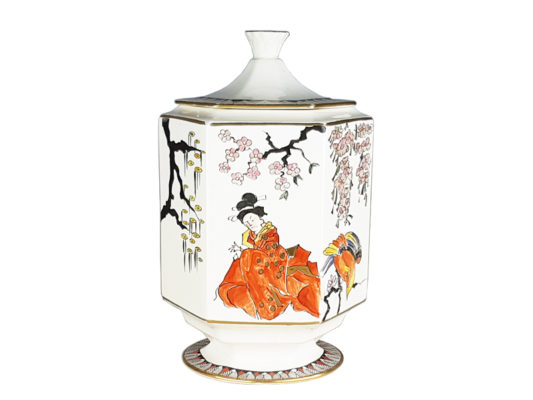
Atelier Primavera was an in-house art and design studio founded, controlled, and entirely funded by the Le Printemps department store.
Established in Paris in 1912 by department store director Pierre Laguionie and lawyer-designer René Guilleré, Primavera was born with a clear strategic and commercial mission: to democratize applied art.
The relationship between the two entities rested on three fundamental pillars:
• Exclusive yet accessible production: Atelier Primavera designed furniture, lamps, textiles, and—above all—avant-garde ceramics. These objects were mass-produced (yet featured artisanal finishes) to be sold at affordable prices to the era’s emerging middle class.
• Dedicated sales channel: The products were not distributed through elite art galleries but were sold exclusively within Le Printemps department stores, which had set aside entire floors for interior furnishings and objects bearing the studio’s signature.
• Innovation and Marketing: Through Primavera, Le Printemps became the first department store to realize that the nascent Art Deco style could become a mass phenomenon. The success was such that, at the 1925 International Exhibition in Paris, Le Printemps participated with an entire monumental pavilion designed specifically to showcase Atelier Primavera’s creations.
In short, Le Printemps acted as the producer and retail showcase, while Atelier Primavera served as the creative and manufacturing heart—a revolutionary formula that forever changed the history of modern interior design.
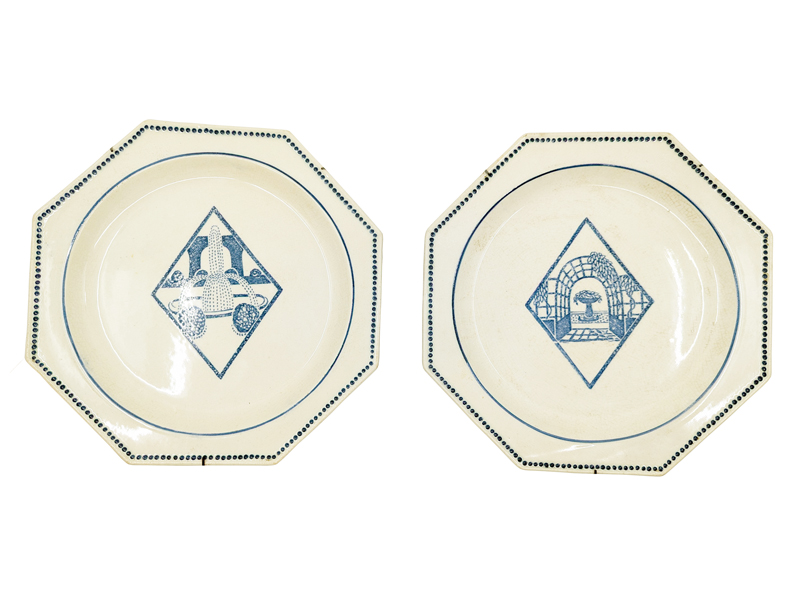
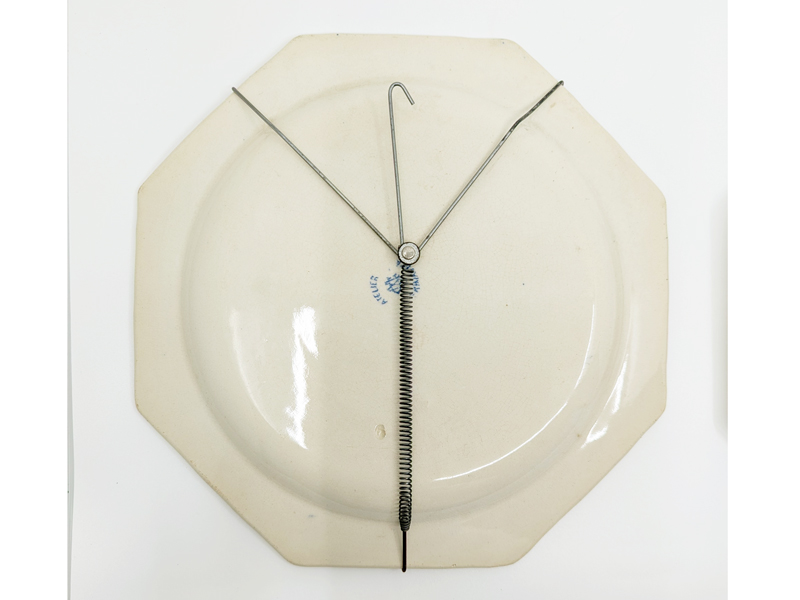
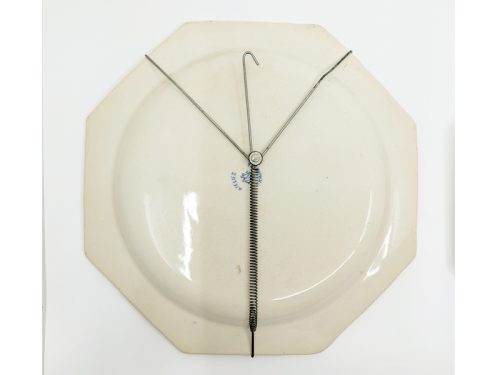
Atelier Primavera created the designs in Paris but had the actual tableware manufactured by historic French ceramic factories. This specific model and similar ones featuring blue geometric patterns were typically produced and fired by:
1. La Faïencerie Nouvelle de Givors (notably the “Andréa” model, which features a modernist, geometric design very similar to yours).
2. La Faïencerie de Lunéville (K&G) or Émaux de Longwy.
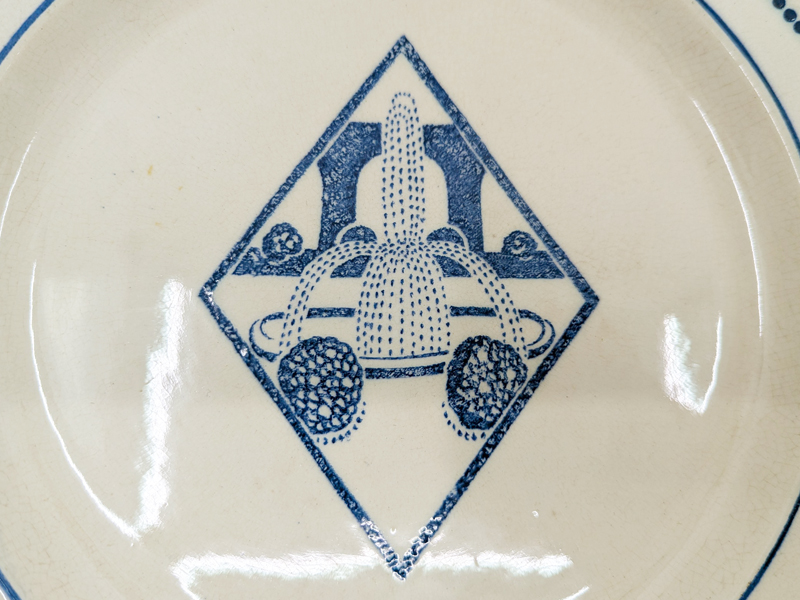
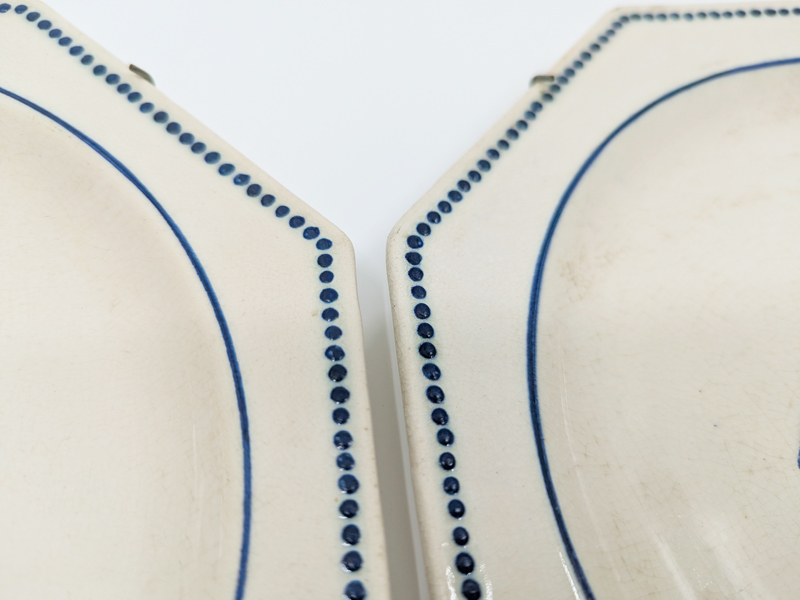
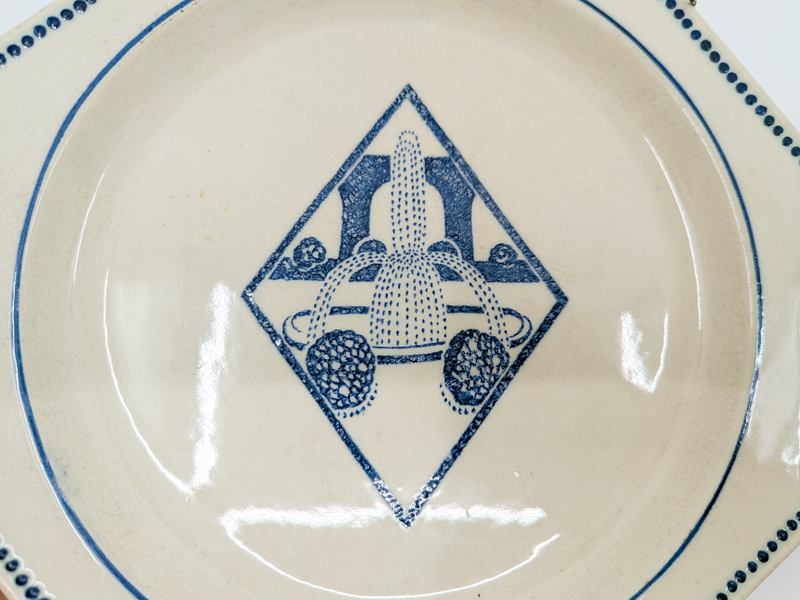
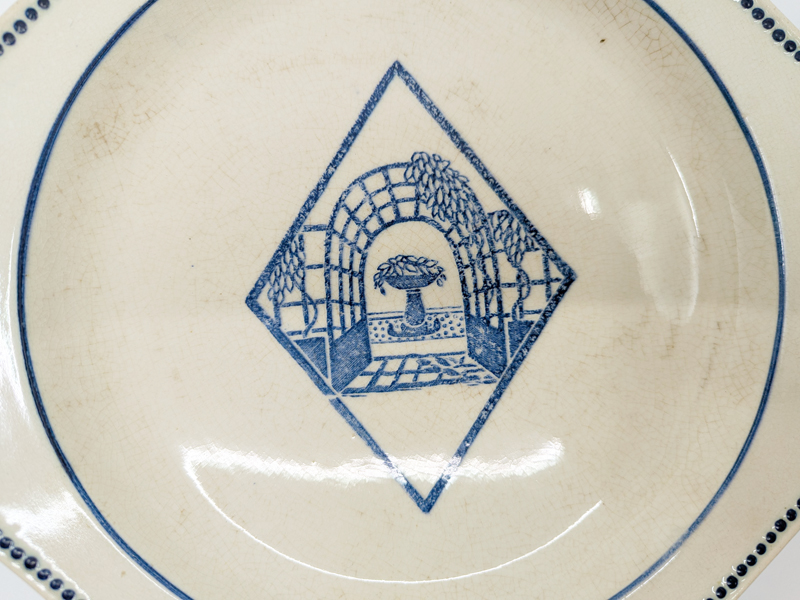
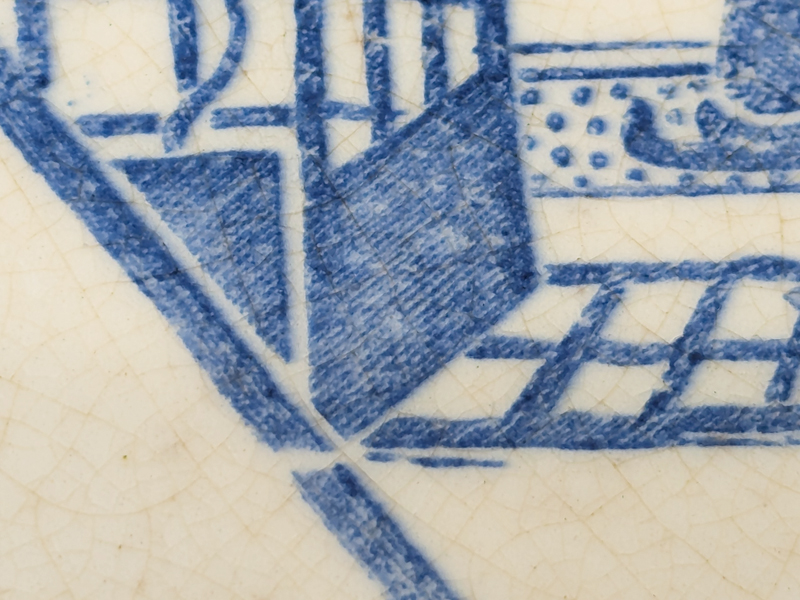
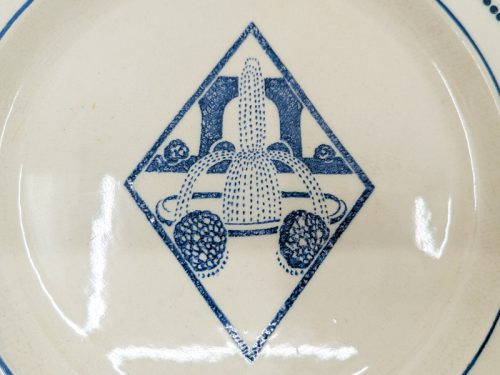
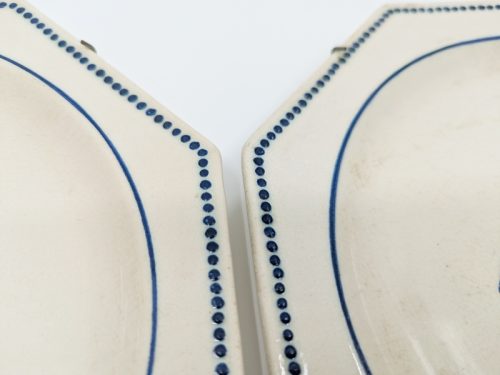
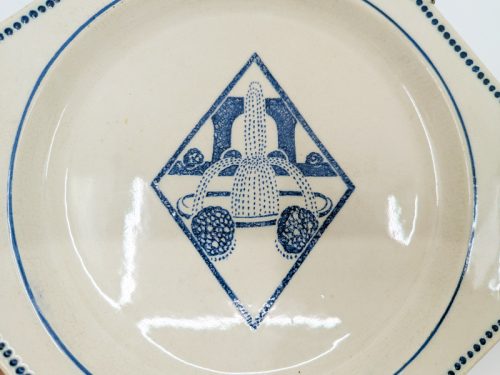
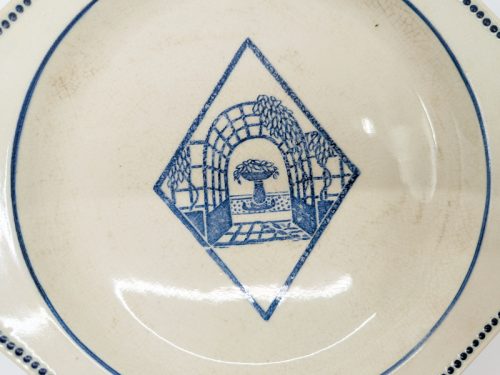
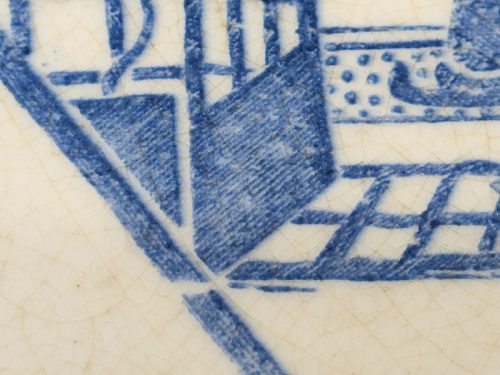
The decoration is executed in monochrome blue (often referred to as *Bleu de Longwy* or *Bleu de Givors*, depending on the collaborating workshop) using a fine-dotted texture—resembling stippling or mosaic work—printed onto a cream-colored ceramic base. The outer rim follows the shape of the plate, featuring a continuous line flanked by a row of small, raised blue dots (a *filet perlé* or beaded border).
For instance, the central motif enclosed within the diamond shape depicts a stylized monumental fountain—a decorative theme that was immensely popular in France during the 1920s, particularly following the landmark 1925 International Exhibition of Modern Decorative and Industrial Arts in Paris (where the *Atelier Primavera* achieved great success).
The design is magnificent: the symmetrical, spraying structure is a clear modernist reinterpretation of the Lalique fountain or the water features that dominated Parisian gardens in the 1920s. The small blue dots create a mosaic-like optical effect—a highly sophisticated graphic technique for the era.